Energy-Efficient Construction for Custom Homes | Northern NJ
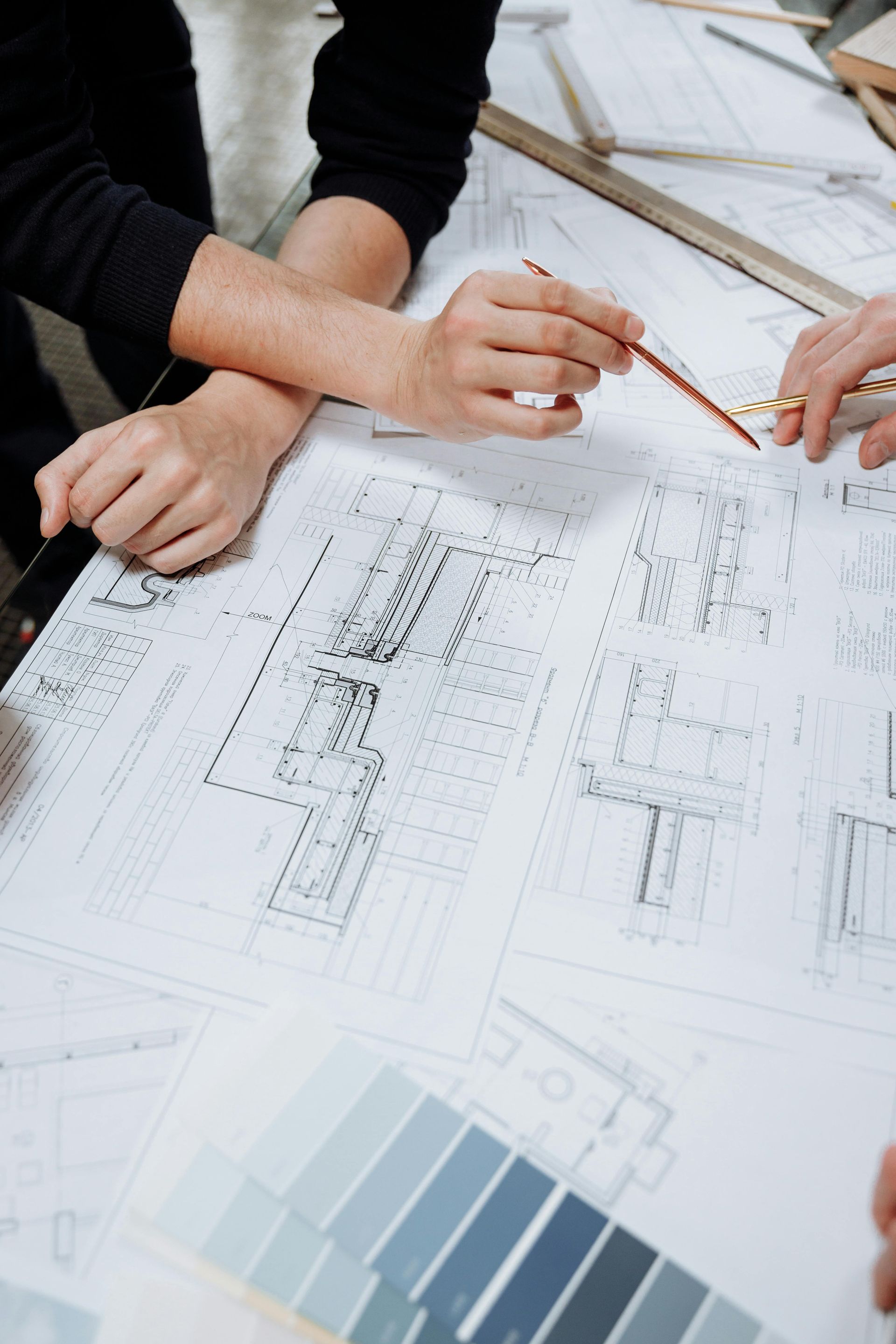
Energy efficiency has become a major consideration for homeowners planning a custom build, but it’s often misunderstood. Many people think energy-efficient construction is about adding high-tech equipment or upgrading appliances at the end of the project. In reality, the most effective energy-efficient homes are designed that way from the very beginning. For homeowners planning custom builds in Northern and Central New Jersey, energy-efficient construction starts long before the first material is delivered to the site.
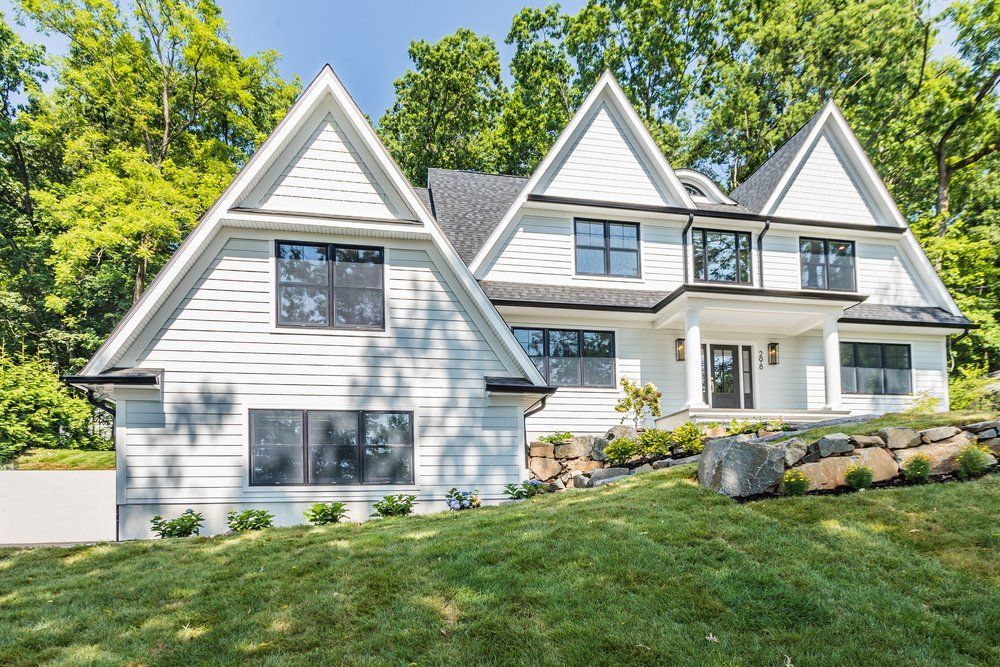
At SZ Classic Homes, we see energy efficiency as part of good construction, not a trend or an optional package. When a house's structure, layout, and materials are designed to be efficient, it makes the house more comfortable, lowers operating costs, and lasts longer, all without sacrificing style. As a luxury custom home builder in Northern and Central New Jersey, we see energy-efficient construction as a key part of every home we build.
Energy-Efficient Construction Is a System, Not a Single Feature
A home doesn’t perform efficiently because of one decision. It performs well when every part of the home works together.
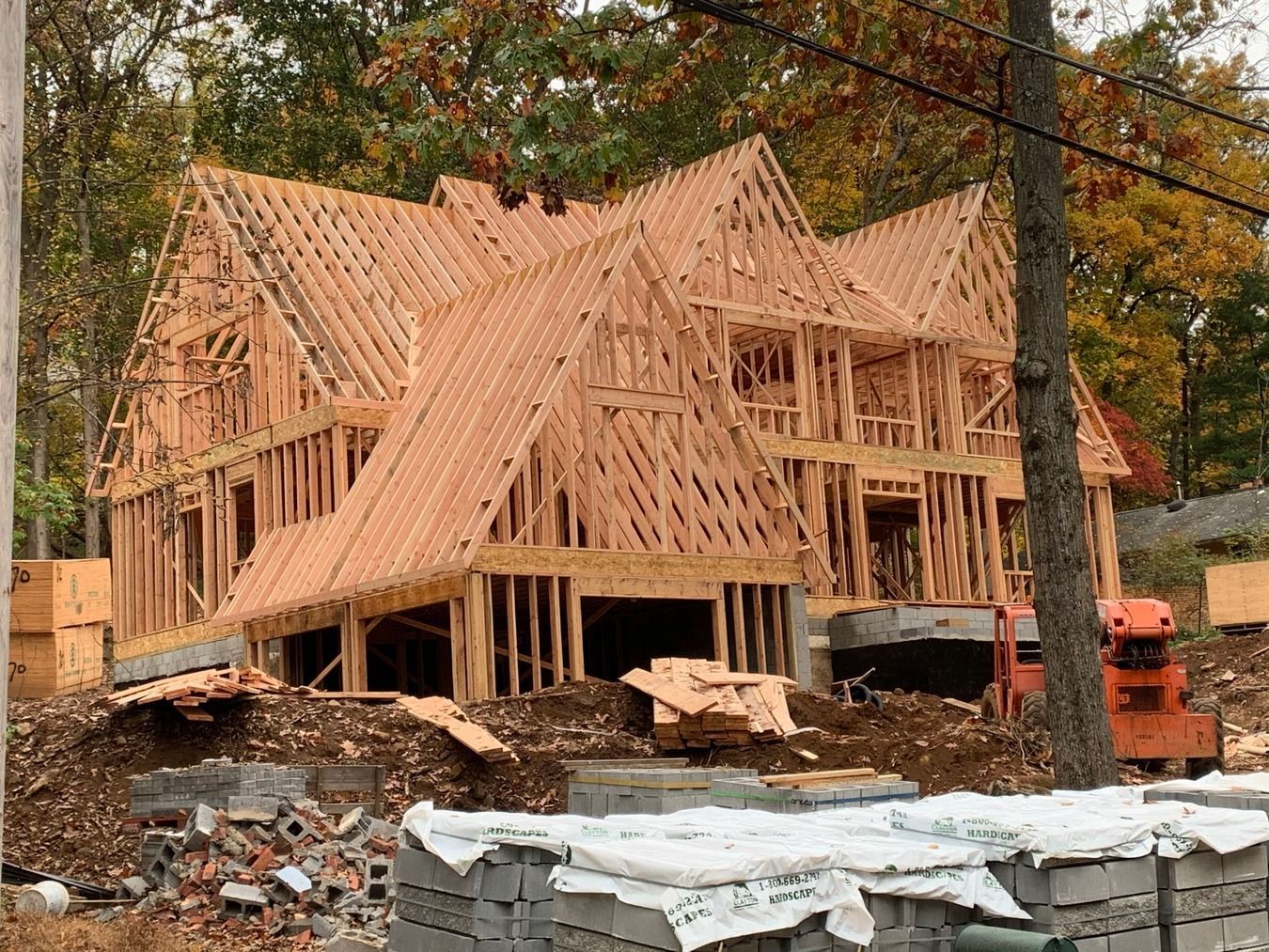
Energy-efficient construction views the house as a complete system: the walls, roof, foundation, windows, insulation, and mechanical systems all influence how the home retains heat and manages energy use. If one part is overlooked, the rest of the system has to work harder to compensate.
This is why
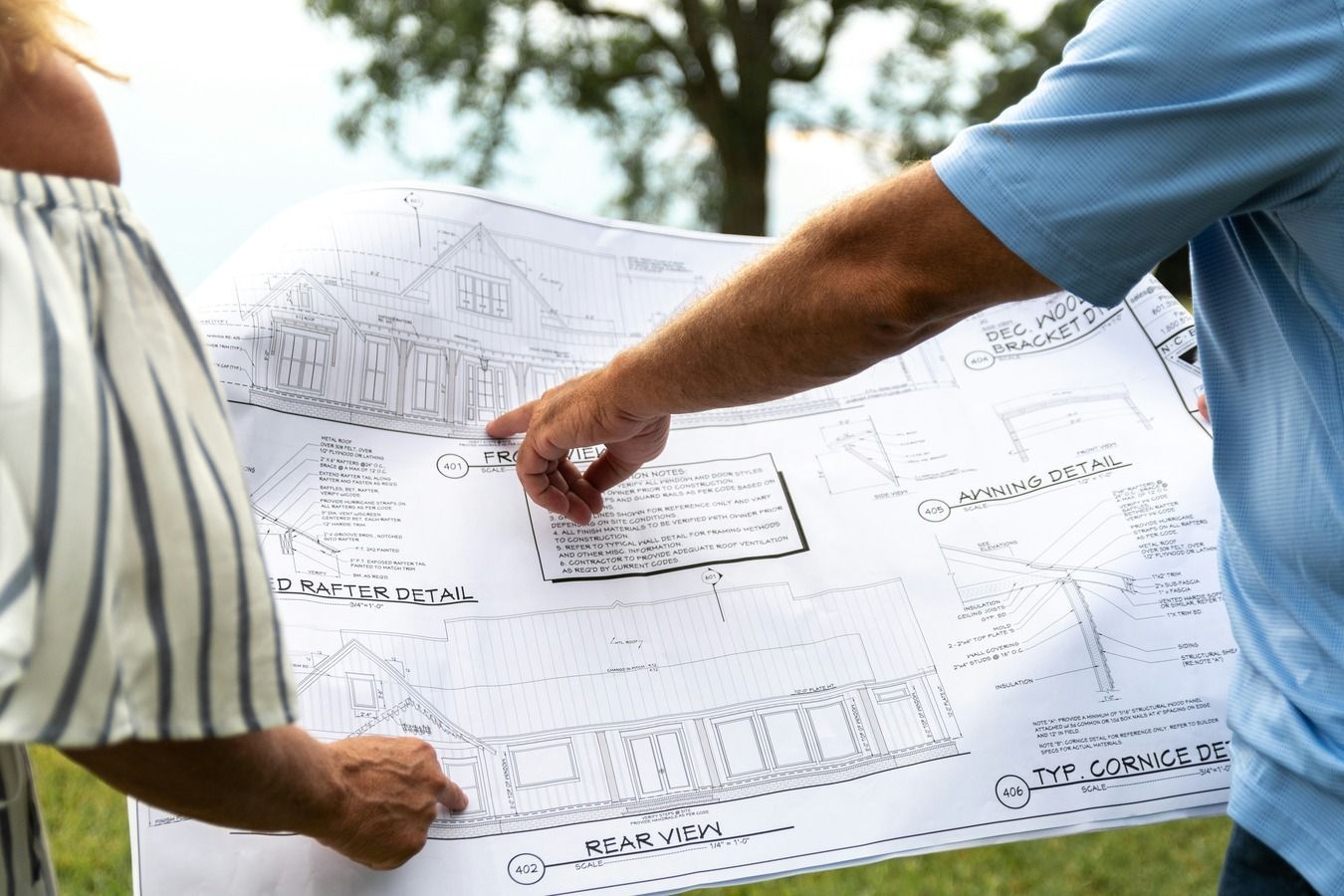
home project planning matters so much. Efficiency can’t be bolted on later and expected to perform the same way as a home designed with performance in mind from day one, especially in New Jersey’s varied climate, where homes must handle both cold winters and humid summers.
Starting With the Building Envelope
The building envelope is the first and most important layer of energy efficiency. It includes everything that separates the interior of the home from the outdoors—walls, rooflines, foundations, windows, and doors.
When the envelope is designed properly, it helps the home maintain consistent indoor temperatures and reduces the demand placed on heating and cooling systems. Poorly designed envelopes, even in large homes, often lead to drafts, hot and cold spots, and higher energy use.
At SZ Classic Homes, we focus on building envelopes that are well-sealed, properly insulated, and thoughtfully detailed so the home performs as intended year-round. This approach is especially important for custom homes in Northern and Central New Jersey, where temperature swings can put added stress on the building structure.
Choosing Insulation Options That Match the Home
Insulation plays a major role in energy-efficient construction, but the best solution isn’t the same for every home. Different insulation options perform differently depending on where and how they’re used.
Fiberglass insulation remains a reliable option when installed correctly, particularly in standard wall and ceiling assemblies. Spray foam can provide excellent air sealing and thermal performance in specific applications, especially in areas prone to air leakage. Rigid foam is often used to add continuous insulation, while blown-in insulation helps fill gaps and irregular spaces more effectively.
Rather than choosing insulation based on trends, we assess how each option fits with the home's overall performance. The goal is consistency, comfort, and durability, not just higher R-values on paper.
Air Sealing: Where Efficiency Is Often Won or Lost
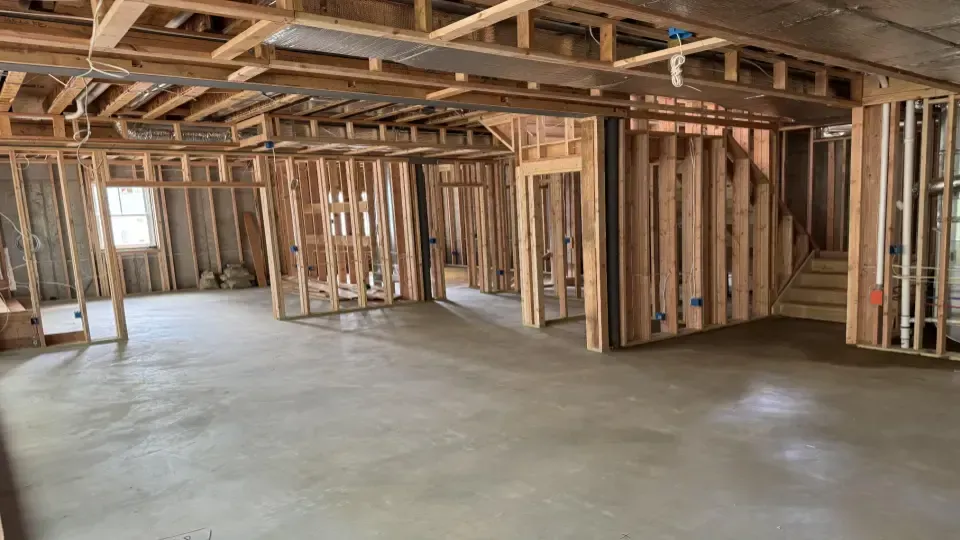
Even the best insulation won’t perform well if air is allowed to move freely through the structure. Small gaps around framing, penetrations, and transitions can add up to significant energy loss.
Effective air sealing helps the home maintain stable indoor temperatures and reduces strain on mechanical systems. It also improves comfort by eliminating drafts and reducing outdoor noise intrusion.
This step happens early in construction and often goes unnoticed by homeowners, but it’s one of the most important elements of energy-efficient construction, particularly for homes exposed to New Jersey’s seasonal wind and temperature changes.
Sustainable Materials That Support Long-Term Performance
Energy efficiency and sustainability often overlap, especially when material choices are made with longevity in mind. Using sustainable materials doesn’t mean sacrificing aesthetics or quality. In many cases, it means choosing products that last longer, perform better, and require less maintenance over time.
Responsibly sourced wood products, durable exterior materials, and low-VOC finishes all contribute to a healthier, longer-lasting home. When materials are chosen thoughtfully, they support both environmental responsibility and long-term value.
At SZ Classic Homes, sustainability is less about labels and more about making smart, durable choices that stand the test of time. This philosophy guides every project we take on as a
luxury custom home builder in New Jersey.
Designing for Efficiency Before Adding Equipment
It’s easy to focus on equipment when discussing efficiency, but design decisions often have a bigger impact than technology alone.
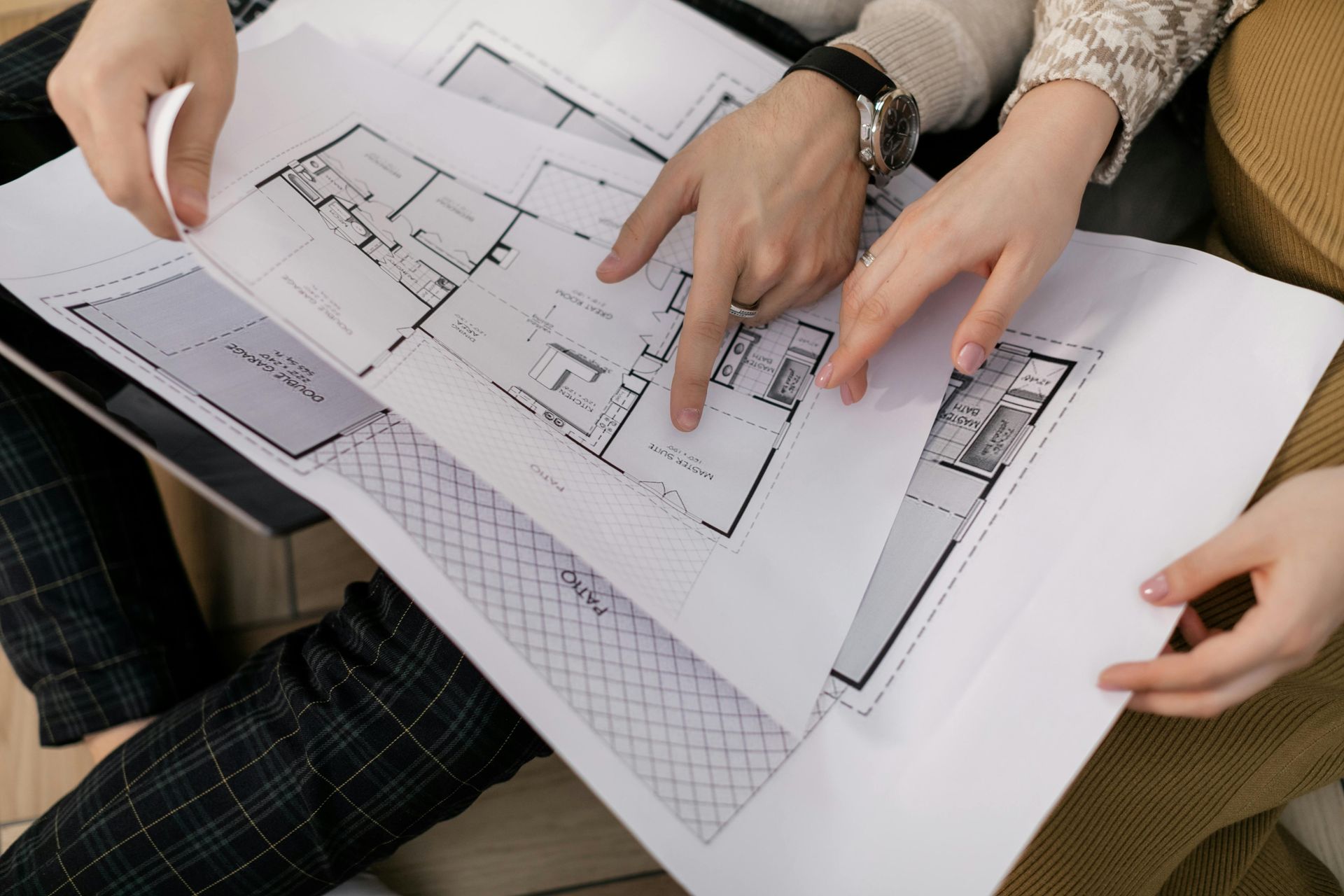
Home orientation, window placement, room layout, and overall square footage all influence how much energy a home needs to stay comfortable. When a home is designed with these factors in mind, mechanical systems don’t have to work as hard to compensate.
Good energy-efficient construction reduces demand first, then supports it with the right systems, not the other way around. This design-first mindset is a hallmark of how we approach custom homes across Northern and Central New Jersey.
Performance Upgrades That Actually Add Value
Once the home's foundation is properly designed, targeted performance upgrades can further enhance efficiency and comfort. These upgrades work best when they’re selected intentionally, rather than added automatically.
High-efficiency HVAC systems, zoning strategies, advanced ventilation, and smart controls can all improve performance when they align with the home’s design. The key is balance; choosing upgrades that make sense for the home's construction and intended use.
When upgrades are integrated thoughtfully, they enhance comfort without adding unnecessary complexity.
Comfort Is the True Measure of Efficiency
While lower utility bills are a benefit of energy-efficient construction, comfort is what homeowners notice most. Well-built energy-efficient homes tend to feel quieter, more consistent in temperature, and easier to live in. Humidity is better controlled, hot and cold spots are minimized, and indoor spaces feel stable throughout the day. These qualities don’t come from one feature; they’re the result of good planning, solid construction, and attention to detail.
Why Building It Right the First Time Matters
Energy efficiency can be improved later, but it’s far more effective when it’s built into the home from the start. Planning early allows for better coordination, smarter material choices, and fewer compromises during construction. Retrofits often cost more and deliver fewer benefits than designs that prioritize performance from the beginning. That’s why energy-efficient construction works best when it’s part of the original conversation.
Building Performance Into the Foundation
Energy-efficient construction isn’t about chasing trends or adding features for the sake of it. It’s about building homes that perform better, feel more comfortable, and hold their value over time.
At SZ Classic Homes, we believe energy-efficient construction should be built into the home's foundation, not layered on afterward. Through thoughtful design, well-chosen insulation options, responsible use of sustainable materials, and intentional performance upgrades, we create homes that support everyday living now and in the future for homeowners throughout Northern and Central New Jersey.
If you’re planning a custom home and want energy-efficient construction considered from the very beginning, we’d welcome the opportunity to talk.
Contact us today at
(973) 454-0876 to start a conversation about building a home that’s designed to perform for real life.