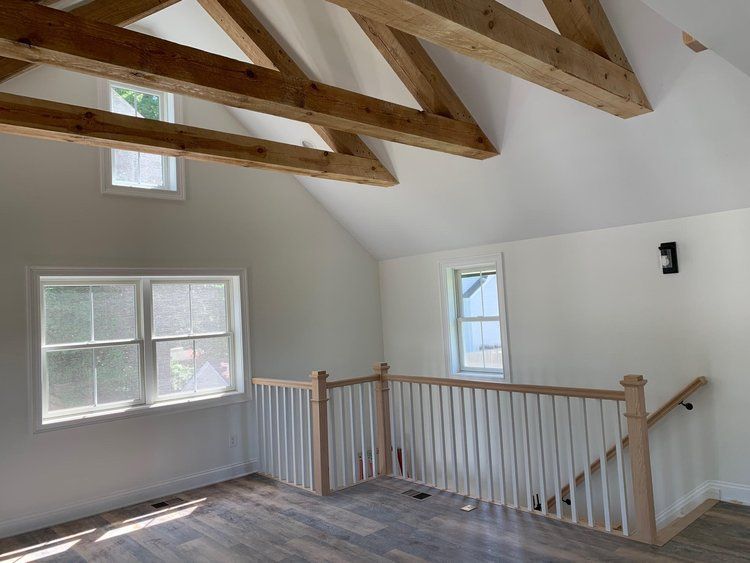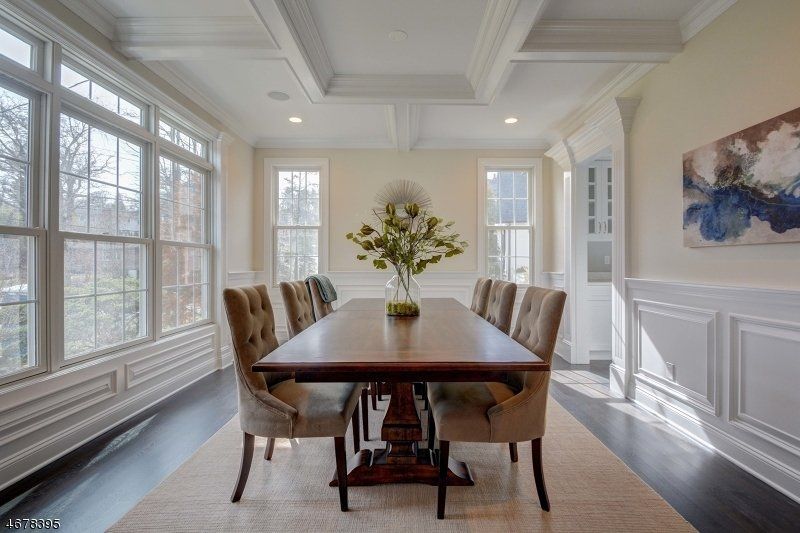
Space Planning for Custom Homes | Northern and Central NJ
When most people think about designing a new home, their minds go straight to finishes, such as flooring, cabinetry, countertops, and lighting. While those details matter, they’re not what ultimately determines whether a home feels comfortable, functional, and livable over time.
That foundation is built through
space planning.
At SZ Classic Homes, while serving homeowners throughout Northern and Central New Jersey, we’ve seen firsthand how thoughtful space planning shapes not only how a home looks, but how it lives. It influences how rooms flow, how spaces adapt over time, and how well a home supports the people who live in it today and in years to come.
A well-planned home doesn’t just look good on move-in day. It continues to work as life changes.
What Is Space Planning, Really?
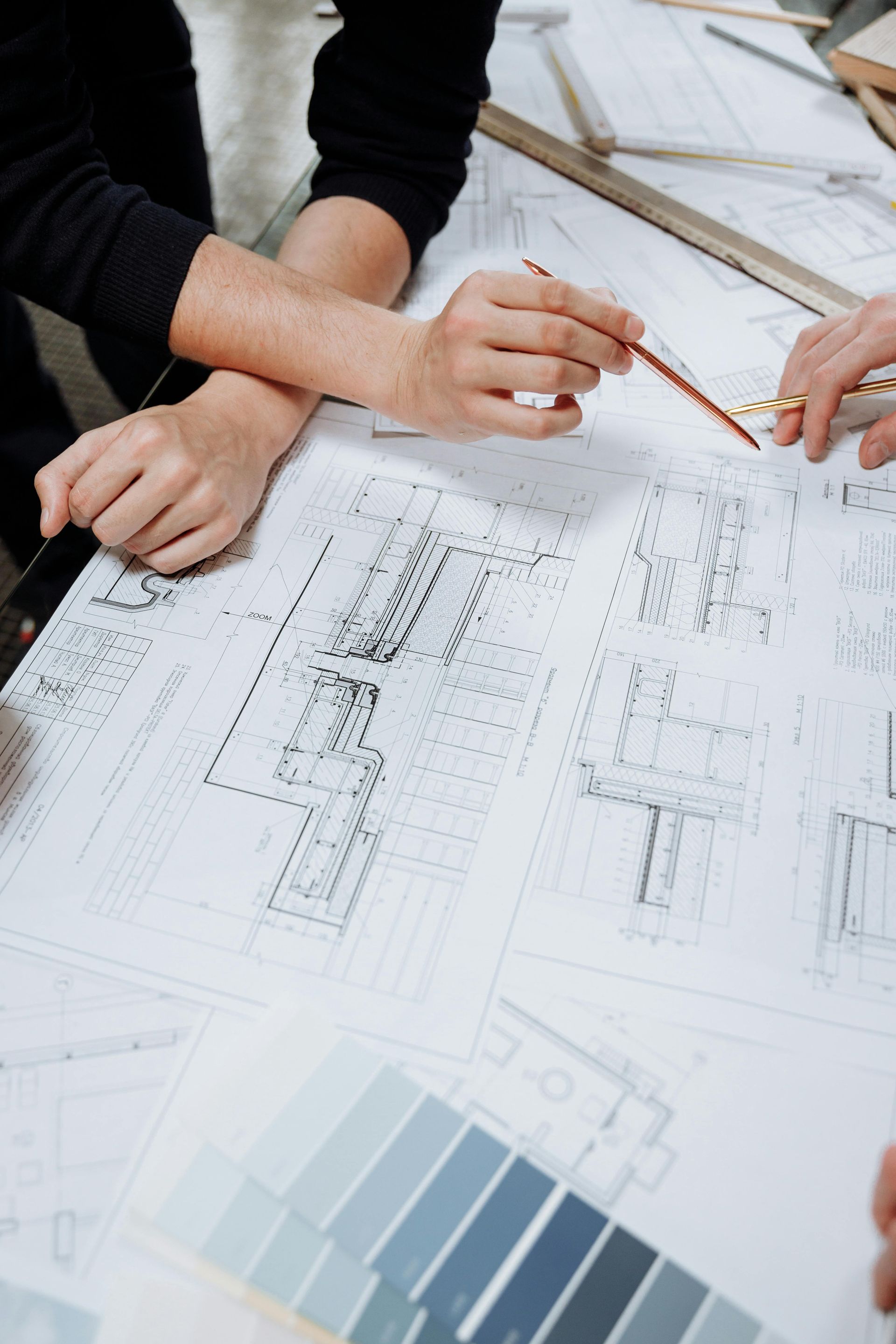
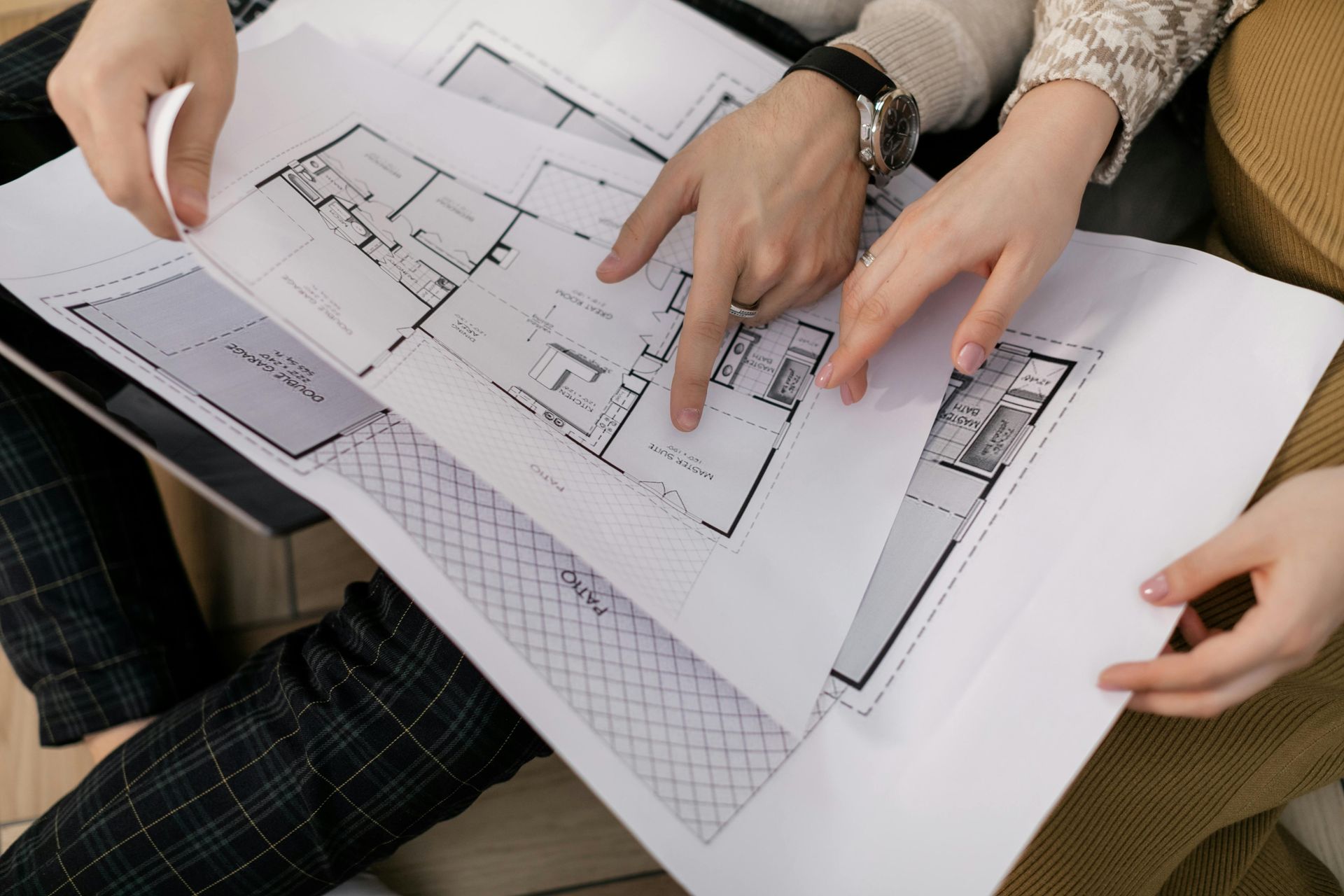
Space planning is the process of organizing rooms, layouts, and circulation to ensure a home functions smoothly in everyday life. It goes far beyond square footage or room count.
Good space planning considers:
- How people move through the home
- How rooms connect to one another
- How spaces are used throughout the day
- How privacy and openness are balanced
- How the home may need to adapt in the future
It’s the difference between a house that looks impressive and a home that feels intuitive, comfortable, and easy to live in.
Why Space Planning Matters More Than Size
Bigger isn’t always better. In fact, we often see homes with plenty of square footage that still feel awkward, inefficient, or disconnected. Strong space planning can make a home feel larger, more comfortable, and more intentional without adding unnecessary square footage. Poor planning, on the other hand, can result in unused rooms, bottlenecks, or spaces that don’t quite fit how a family lives.
At SZ Classic Homes, we focus on designing homes that feel right, not just homes that look impressive on paper, for families across Northern and Central New Jersey.
Designing for Real Life, Not Just the Floor Plan
Every household functions differently. Some families gather constantly in shared spaces. Others value quiet separation. Some work from home. Others often entertain. Space planning brings those realities into the design process.
That means asking questions like:
- Where do people naturally gather?
- How do mornings and evenings flow?
- Do certain spaces need flexibility throughout the day?
- Where does storage need to be accessible, and where should it be hidden?
When a home is planned around real routines instead of assumptions, it becomes easier to live in without homeowners having to adjust their lifestyle to fit the house.
The Role of Flexible Layouts
One of the most important outcomes of good space planning is flexible layouts. Life changes. Families grow. Work situations shift. Parents age. Children move out. Homes designed with flexibility in mind can adapt without major renovations.
Examples of flexible layouts include:
- Rooms that can function as offices, guest rooms, or hobby spaces
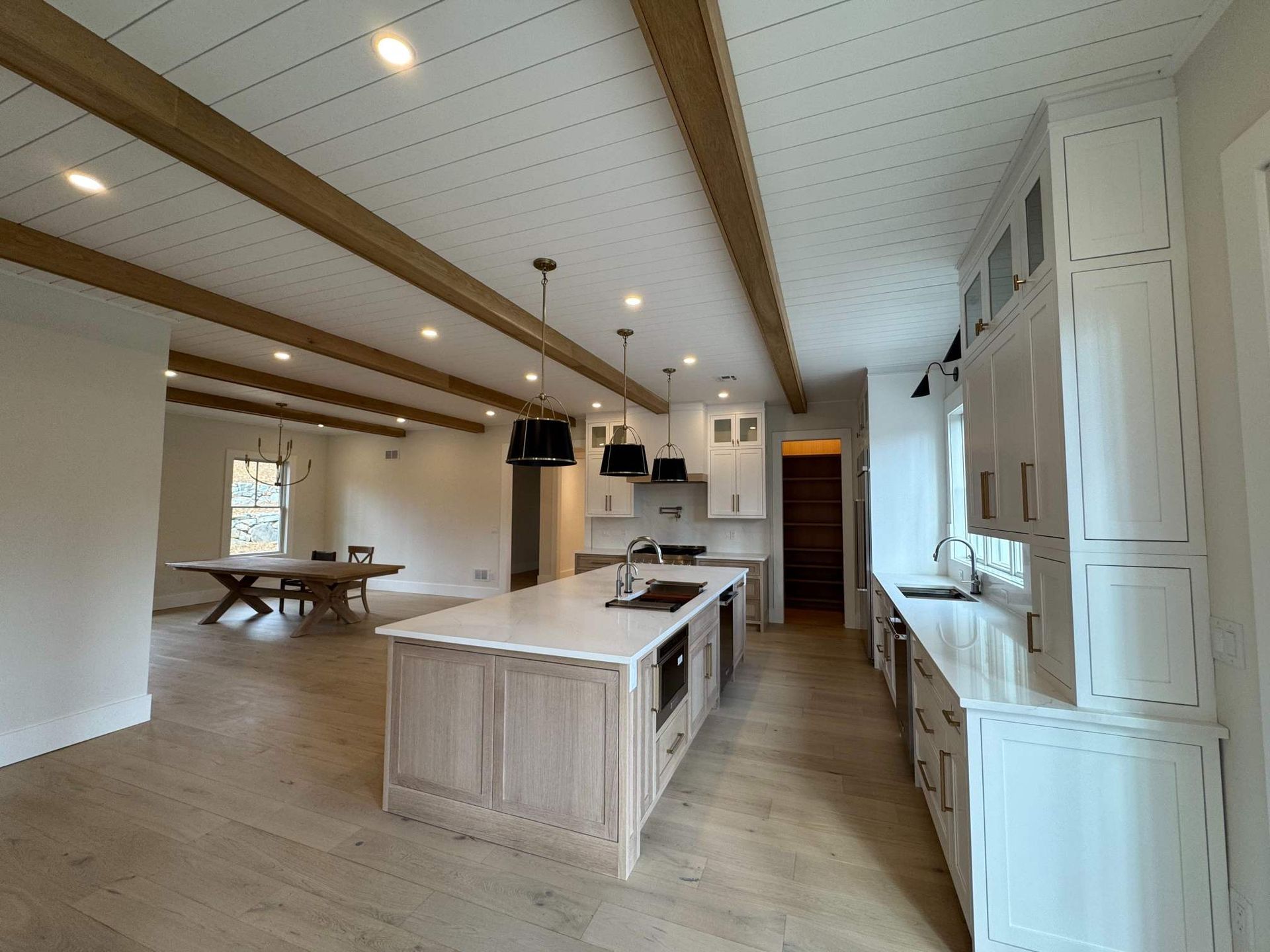
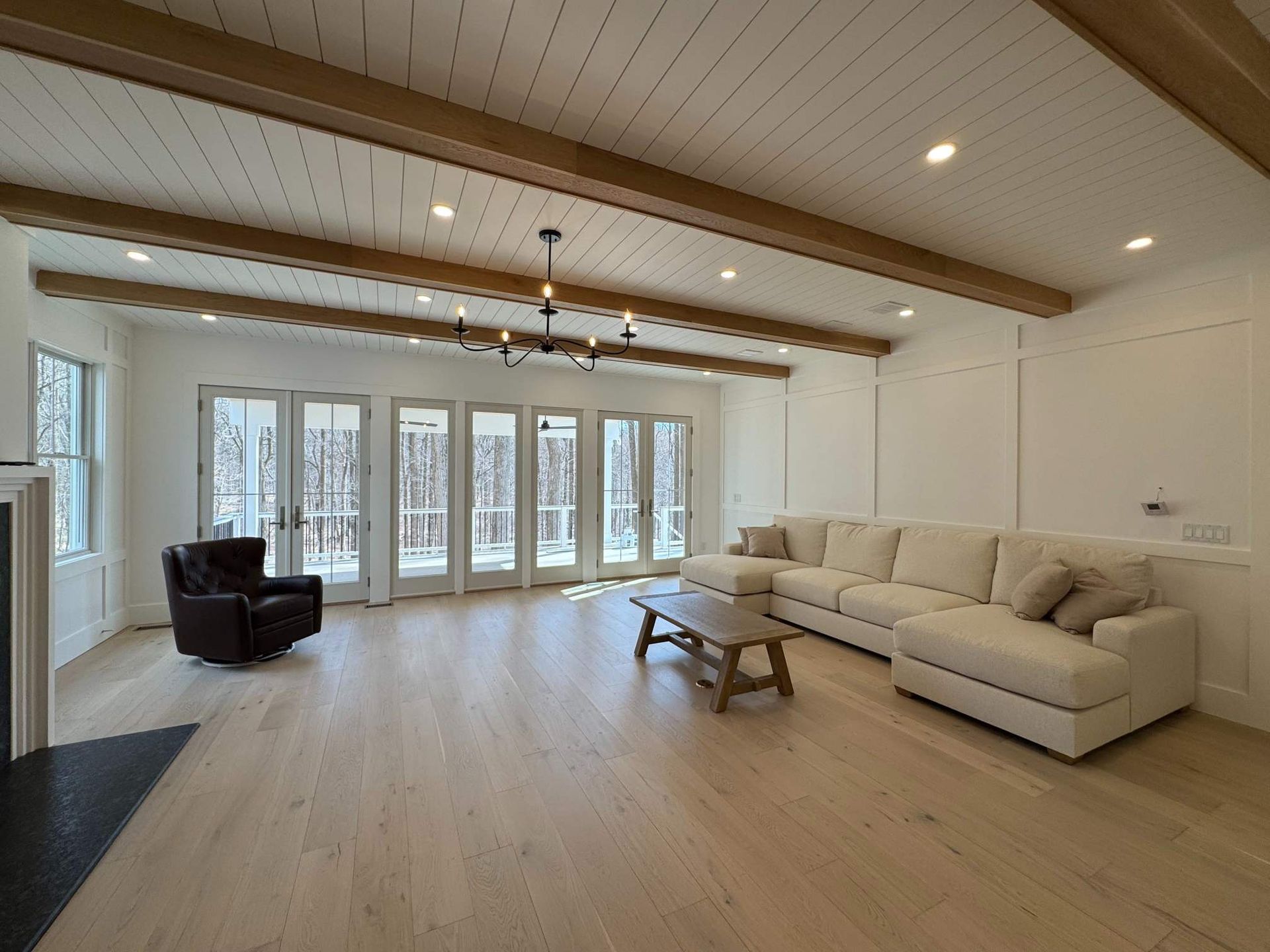
- Open living areas that allow multiple activities at once
- Secondary living spaces that evolve with family needs
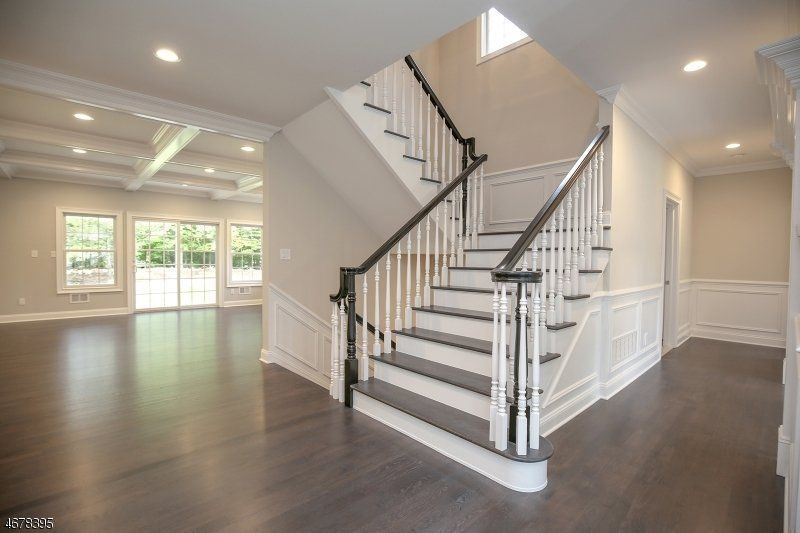
- Thoughtful separation between public and private areas
Flexible layouts don’t feel temporary or undefined; they feel intentional. They give homeowners options without sacrificing structure or design clarity.
Accessibility Starts With Planning
Accessibility is often misunderstood as something that only applies later in life. In reality, accessibility is about comfort, ease, and usability at every stage. Good space planning naturally supports accessibility by considering:
- Clear circulation paths
- Logical room adjacencies
- Doorway and hallway widths
- Minimal level changes where possible
- Easy access to frequently used spaces
At SZ Classic Homes, we approach accessibility as part of smart design, not an
afterthought. When incorporated early, accessible features blend seamlessly into the home and enhance livability without drawing attention to themselves.
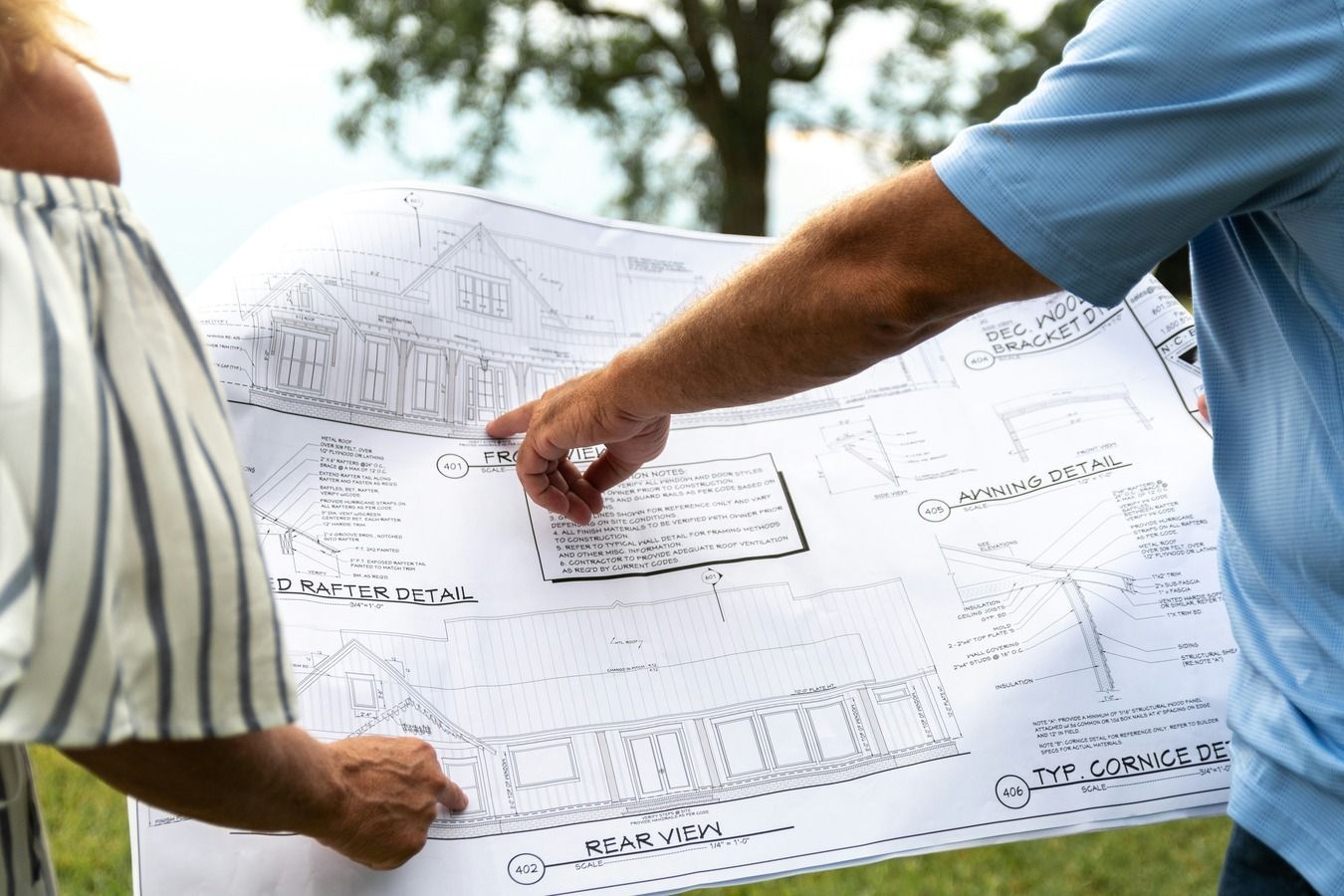
Future-Proofing Through Thoughtful Design
Another major benefit of strong space planning is future-proofing.
Future-proofing doesn’t mean predicting every life change. It means designing a home that can adapt gracefully as needs evolve.
This can include:
- Layouts that support aging in place
- Spaces that can shift functions over time
- Thoughtful placement of bedrooms and bathrooms
- Structural planning that allows for future modifications
When space planning is done well, homeowners don’t feel pressure to outgrow their home. Instead, the home grows with them.
Flow, Connection, and Separation
Flow, or the connections and transitions between spaces, is one of the most neglected aspects of space planning. Good flow entails:
- Moving naturally between rooms
- The sensible arrangement of communal areas
- Comfortable separation between quiet and active areas
- A feeling of transparency without chaos
Homes with strong flow feel easy to navigate. They don't need to be explained or adjusted frequently. They just make sense.
Space Planning and Custom Home Design
Custom home building offers the greatest opportunity to get space planning right. Unlike production homes, custom homes aren’t limited by preset layouts or standardized assumptions. That freedom allows builders and homeowners to collaborate on layouts that reflect real priorities.
At SZ Classic Homes, space planning is central to our design process for custom homes throughout Northern and Central New Jersey. We spend time understanding how our clients live so the home supports those habits for years to come.
This approach leads to homes that feel intentional, balanced, and deeply personal.
Common Space Planning Mistakes We Help Clients Avoid
Over the years, we’ve seen patterns in what doesn’t work and how thoughtful planning prevents issues before they happen. Some common mistakes include:
- Designing rooms that look good but don’t get used
- Poor transitions between spaces
- Oversized rooms with unclear purpose
- Inflexible layouts that limit future options
- Ignoring circulation and storage needs
Addressing these issues during the planning stage is far easier and more cost-effective than fixing them later.
Why Space Planning Should Come First
Finishes can be changed. Paint can be updated. Fixtures can be replaced. The layout is much harder to adjust once a home is built. Space planning should consequently always come first. It determines how well the house will serve its owners in the long run and establishes the foundation for everything that comes after. When done correctly, it produces homes that are not only aesthetically pleasing but also feel serene, cozy, and intuitive.
SZ Classic Homes: Where Thoughtful Planning Meets Everyday Living in Northern and Central New Jersey
A home that works for real life doesn’t happen by accident. It’s the result of thoughtful space planning, flexible layouts, attention to accessibility, and intentional future-proofing. At SZ Classic Homes, we believe the best homes are designed from the inside out, shaped by the people who live in them and the lives they want to lead throughout Northern and Central New Jersey.
When space planning is done right, a home doesn’t just meet expectations; it exceeds them. It supports everyday life, adapts over time, and continues to feel right long after move-in day. If you’re considering a custom home in Northern or Central New Jersey and value thoughtful space planning,
contact us today at
(973) 454-0876 to discuss your vision and next steps.