Your Home Construction Project Planning Guide: What to Decide (and When)
Most home projects don’t fall apart because of bad paint colors or the wrong light fixtures. They fall apart because of unclear expectations, rushed decisions, and a timeline that was never realistic in the first place. Whether you’re planning a whole-home renovation, a major addition, or a ground-up custom build, the early planning phase is where everything either comes together—or slowly unravels.
At SZ Classic Homes, we’ve learned that a clear, honest project planning guide is one of the most valuable things we can give a homeowner. When you understand what’s coming, what decisions need to be made, and how long each step should take, the process becomes far less stressful and far more predictable.
This is our practical project planning guide for homeowners: real timeline expectations, what you can do to prepare, and the key decision milestones along the way.
Step 1: Clarify Your Goals Before You Talk Numbers
Every successful project starts with a clear “why.” Before you worry about budget or finishes, ask yourself:
- What problem are we really trying to solve? (Not enough space? Outdated layout? Structural issues?)
- How do we want to live in this home 5–10 years from now?
- Are we planning to stay long term, or is resale value a major factor?
Write these answers down. Share them with whoever will be part of the decision-making. This becomes the foundation for every choice you make later—design, scope, budget, and timeline.
Homeowner preparation at this stage is simple: get honest about your priorities. For example, is a larger kitchen more important than a separate home office? Is a high-end bathroom more important than adding a guest suite? Clear priorities prevent scope creep and disappointment later on.
Step 2: Build a Realistic Budget and Timeline Expectations
Once your goals are clear, it’s time to talk numbers and timeframes. A good project planning guide doesn’t pretend everything is set in stone, but it does set realistic ranges. When we speak with homeowners, we focus on:
- Rough budget ranges for the type of project you’re considering
- What’s typically included vs. considered “extras.”
- Timeline expectations from initial design through final walkthrough
For many larger projects, the full process can span several months to a year or more, depending on:
- The size and complexity of the project
- Local permitting and inspection timelines
- How quickly design decisions and selections are made
- Site conditions and any surprises uncovered along the way
One of the best things you can do as a homeowner is to build in a buffer—both financially and mentally. Assume there will be a few surprises and a few days that don’t go exactly according to plan. When you expect some flexibility, small delays feel manageable instead of catastrophic.
Step 3: Design and Decisions – The First Major Milestone
Once you’ve chosen a contractor and, if needed, an architect or designer, the project moves into design and planning. This is the first big decision milestone in any project planning guide. Here’s what typically happens during this phase:
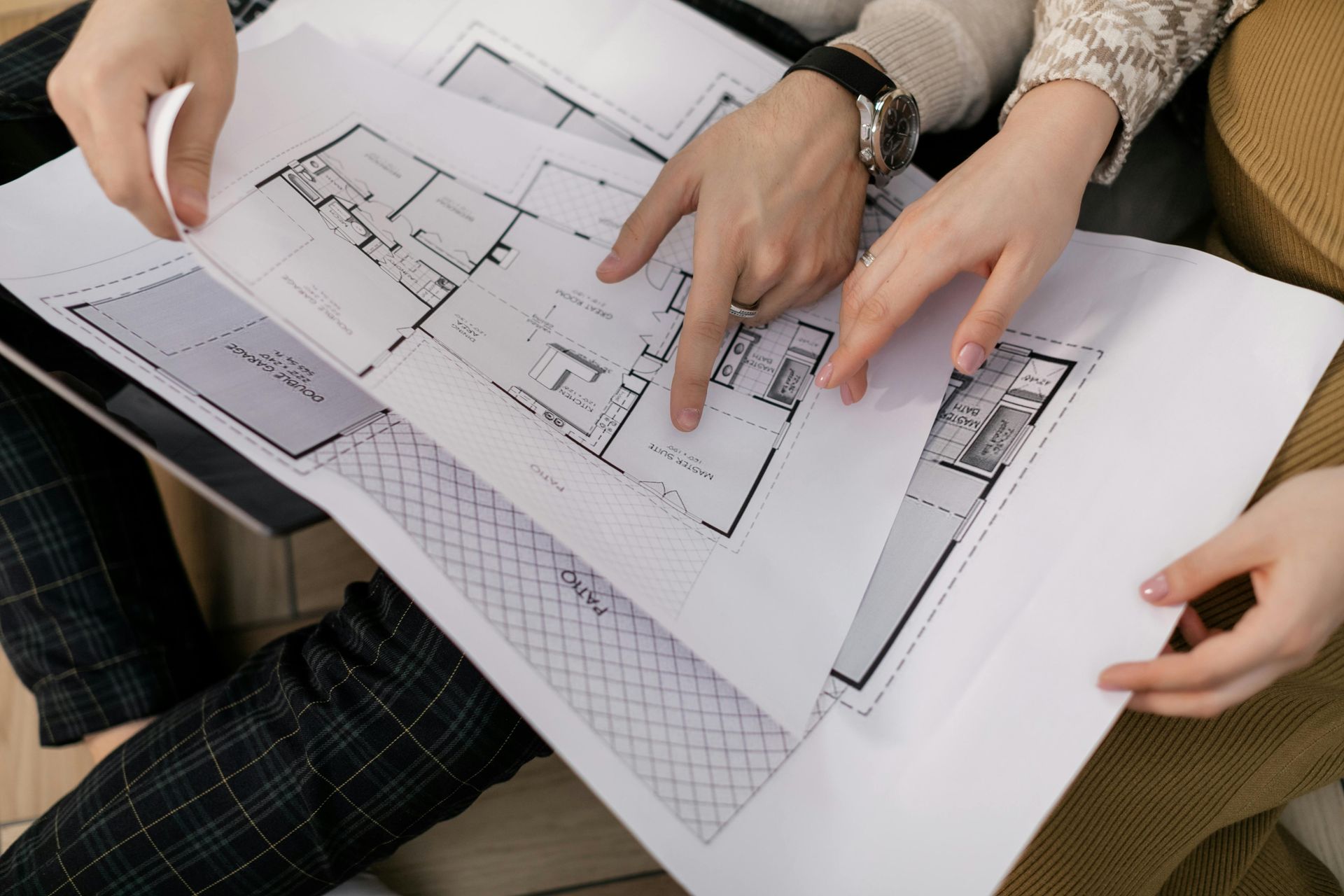
- Conceptual designs and layout options
- Refinement of plans based on feedback
- Cost discussions to align scope and budget
- Structural considerations, especially if you’re moving walls or adding space
The more prepared you are going into this phase, the smoother it goes. Homeowner preparation here looks like:
- Collecting inspiration photos or notes (what you like and don’t like)
- Being clear about “must-haves” vs. “nice-to-haves.”
- Being responsive to questions and design revisions
Timeline expectations: the design phase can take anywhere from a few weeks to a few months, depending on complexity and how decisive you’re able to be. Rushing this step is almost always a mistake. Many of the “problems” that pop up during construction are really just decisions that didn’t get fully thought through up front.
Step 4: Permits, Approvals, and Pre-Construction
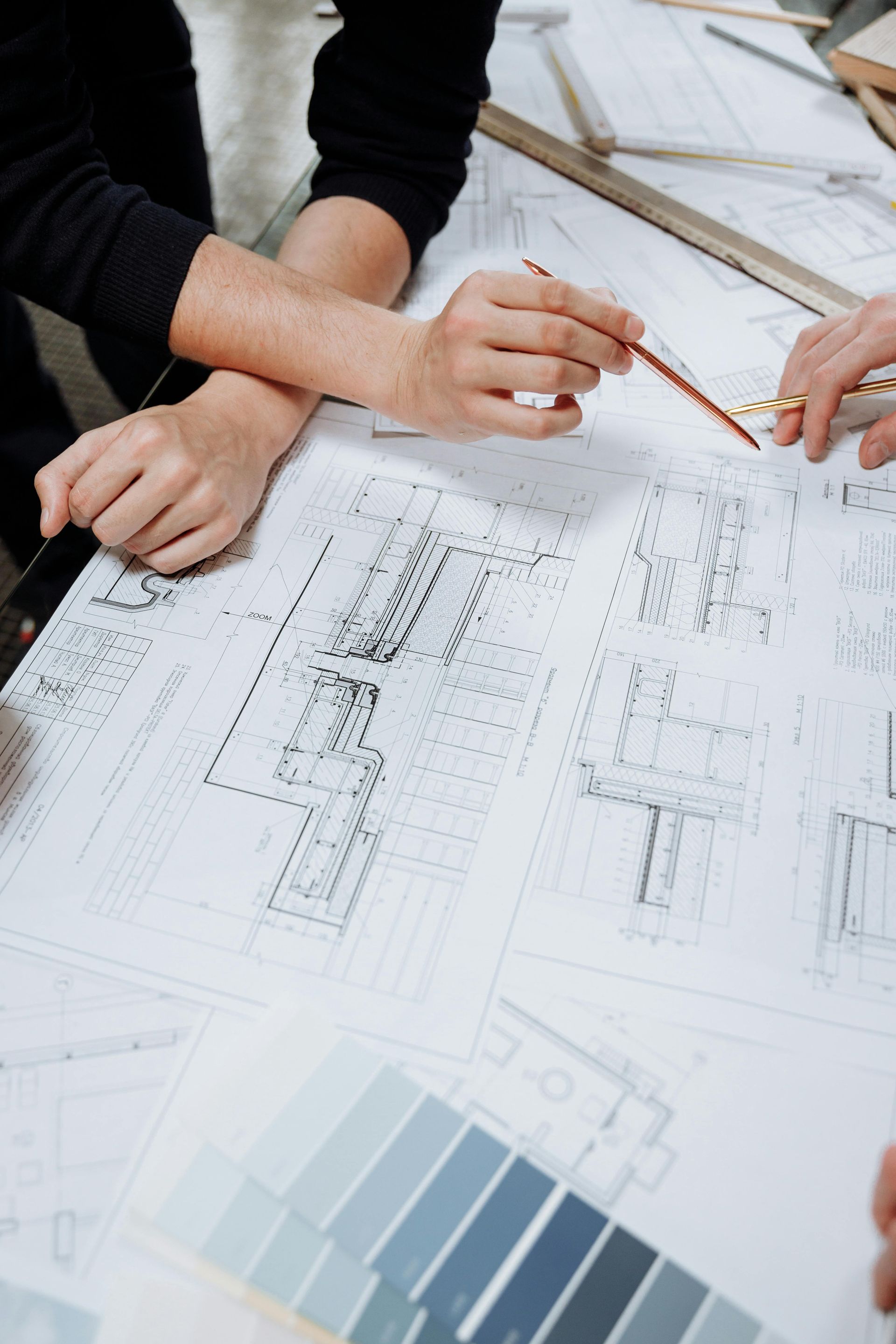
With a clear design and scope in place, the project moves into permits and pre-construction planning. Behind the scenes, your builder may be:
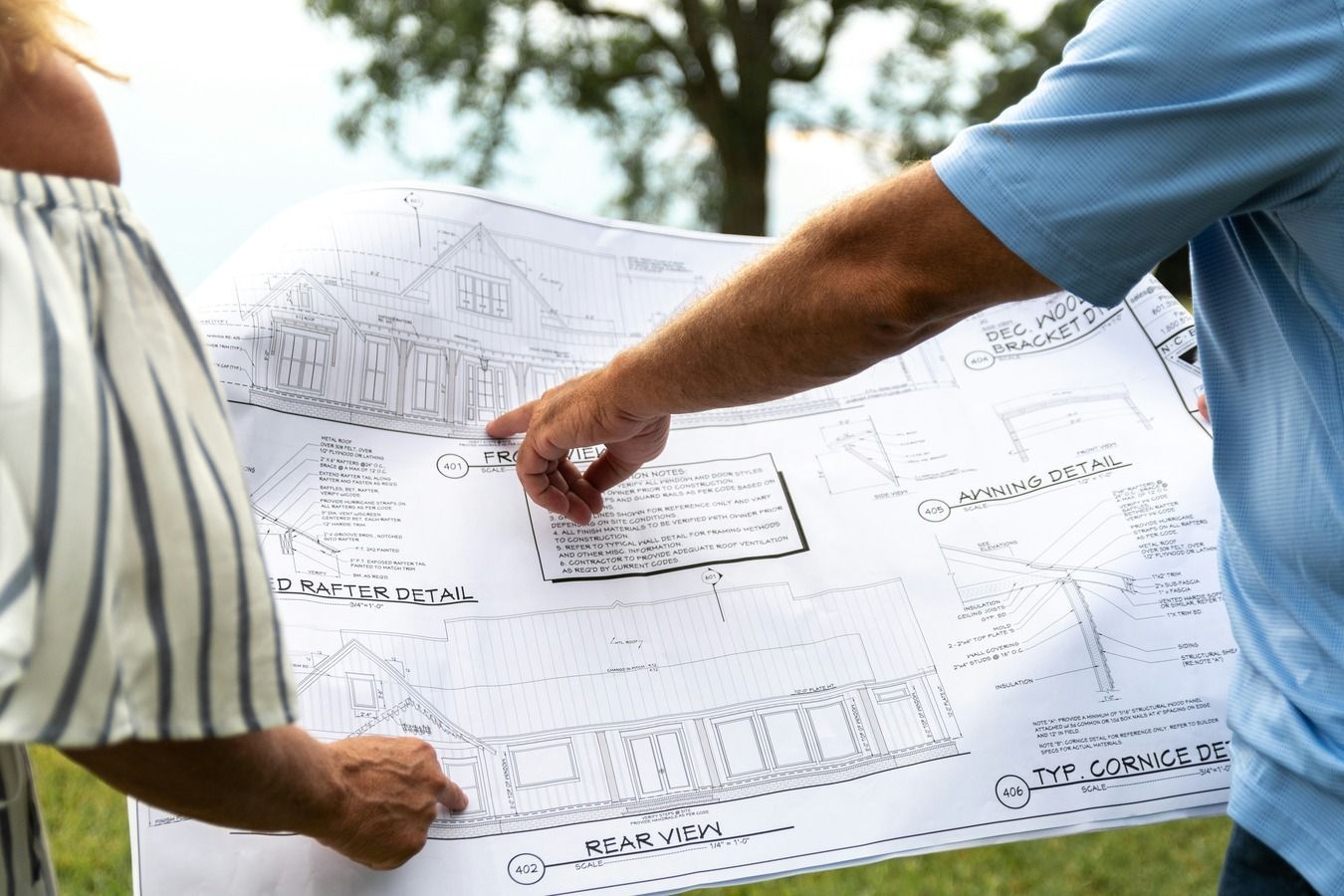
- Finalizing construction drawings
- Coordinating with engineers and consultants
- Submitting plans to the local building department
- Building out a preliminary construction schedule
- Lining up subcontractors and long-lead materials
This is often a quieter period from the homeowner’s perspective, but it’s a critical part of the overall project planning guide. What you can do during this time:
- Make sure financing is secured and ready
- Prepare for how construction will impact your daily life (living in vs. moving out, storage, pets, etc.)
- Continue refining selections if there are still choices to be made
Timeline expectations vary by town, but permitting can take longer than most people expect. Building patience here pays off later. A rushed or incomplete permit set usually leads to more headaches down the road.
Step 5: Selections – The Decisions That Keep the Project Moving
Many homeowners think that once construction starts, the decisions are made. In reality, there are still many decision milestones ahead. Selections typically include:
- Cabinets and countertops
- Plumbing fixtures and hardware
- Flooring and tile
- Interior and exterior paint colors
- Lighting fixtures
- Doors, trim profiles, and hardware
The best way to avoid delays is to stay ahead of these decision milestones. Your builder should give you a clear list of what needs to be chosen and by when. This is where a thoughtful project planning guide shines—by mapping selections to key points in the schedule. As a homeowner, you can:
- Set aside a specific time each week to review and make selections
- Respond promptly to questions or options from your builder or designer
- Avoid last-minute changes once materials are ordered unless absolutely necessary
When selections are made on time, materials show up when they’re needed, and the project flows much more smoothly.
Step 6: Construction – Staying Grounded as the Work Unfolds
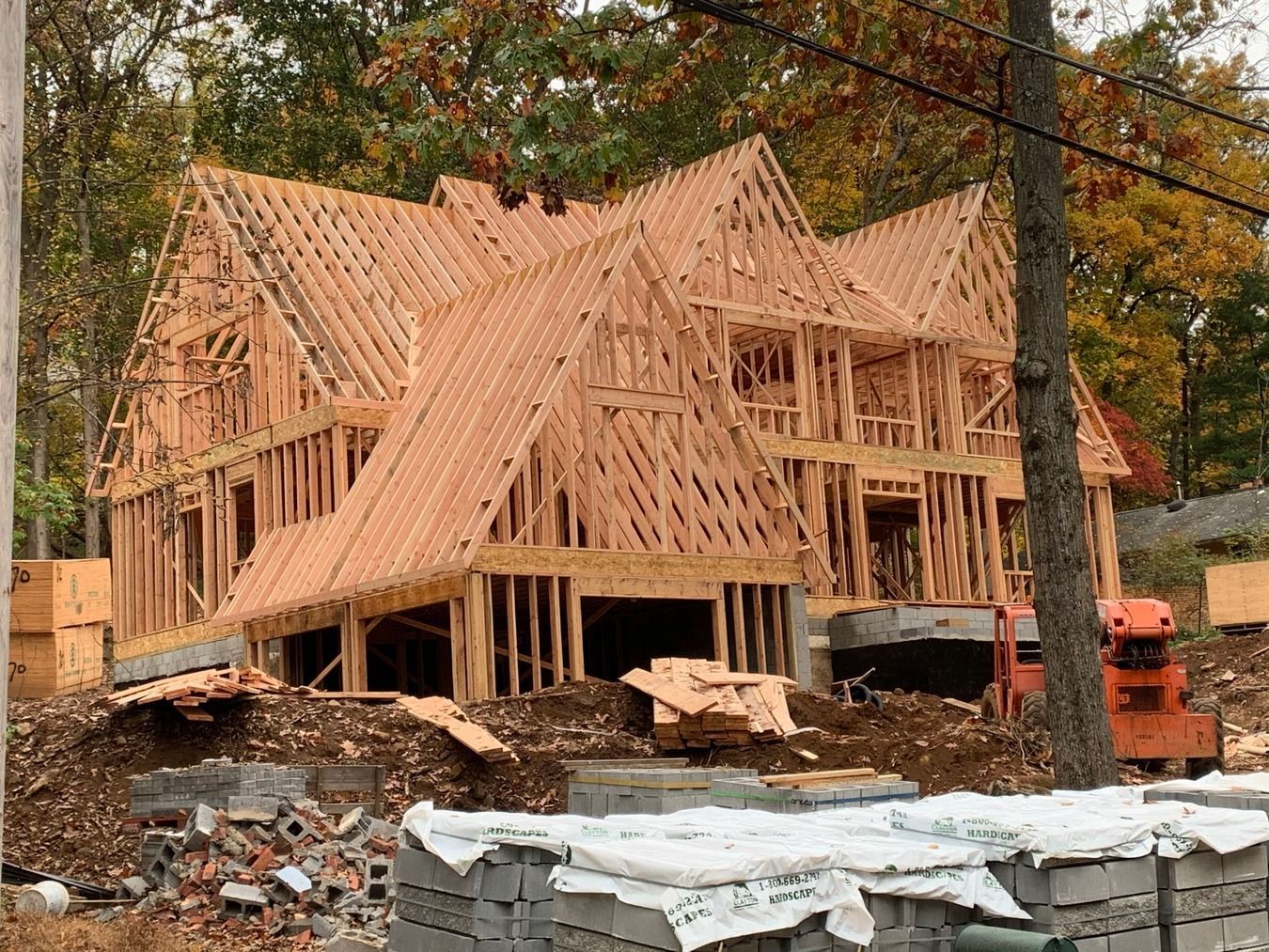
Once the site work, framing, and finishes start, the project becomes very real. Walls come down, new spaces take shape, and your home can feel upside down for a while. Good timeline expectations acknowledge that construction is dynamic. Weather, inspections, and unexpected findings inside walls can all affect the daily schedule. The goal isn’t perfection; it’s a controlled, well-managed process.
What helps during this phase:
- Regular, scheduled updates from your builder
- A clear channel for questions and concerns
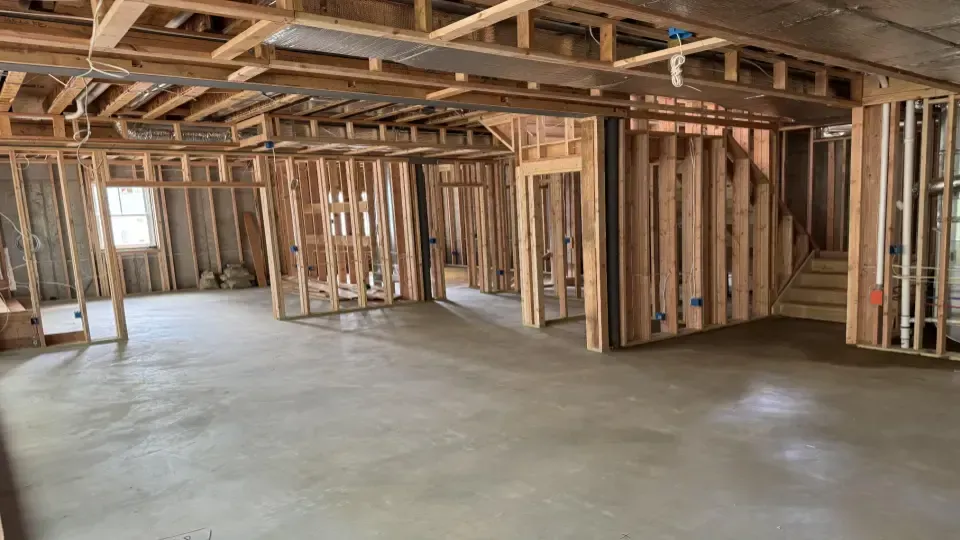
- Understanding the rough order of operations (demolition, framing, rough-in, insulation, drywall, trim, finishes, final touches)
One key decision milestone during construction is how you handle surprises. When something unexpected arises—a hidden issue, a design tweak, or an opportunity to improve a detail—having a clear process for discussing options, costs, and their impact on schedule keeps everyone aligned.
Step 7: Final Walkthrough, Punch List, and Living in the Finished Space
The final stretch of your project planning guide focuses on closing things out properly. A thorough builder will:
- Walk the project with you and create a punch list of small items to adjust
- Explain how to operate and maintain new systems or materials
- Review any warranties or documentation
- Make sure you feel comfortable living in and caring for your new space
This final decision milestone is less about choosing finishes and more about making sure the project lives up to the promises made at the beginning.
Give yourself time to walk the home slowly, open doors and drawers, check lighting, and pay attention to how the spaces feel. It’s perfectly normal to notice small details that need tightening up—that’s what the punch list is for.
How SZ Classic Homes Guides You Through the Process
We don’t expect our clients to be construction experts. Our job is to provide a clear project planning guide from the first conversation to the final walkthrough. On every project, we work to:
- Set honest timeline expectations based on your scope and town
- Help you prepare as a homeowner—financially, logistically, and emotionally
- Map out the major decision milestones, so you’re never wondering, “What’s next?”
- Stay accessible and transparent when questions or surprises come up
The goal isn’t just to deliver a beautiful finished home. It’s to make sure the journey from idea to completion feels structured, respectful, and manageable.
If you’re starting to think about a renovation, addition, or custom home and want a clear sense of what the process would look like for your specific property, we’d be happy to talk it through with you. We can walk you through your project step by step, discuss your goals, and give you a realistic picture of the path ahead—so you can move forward with confidence.