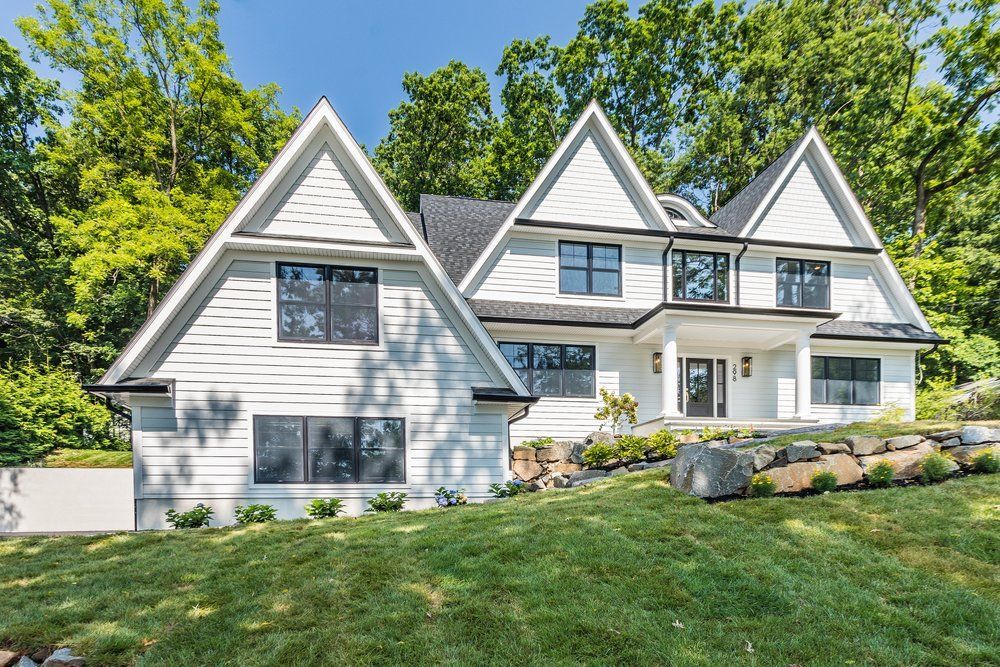
Understanding Your Renovation Timeline: What to Expect from Start to Finish
One of the most common questions homeowners ask before starting a remodeling project is: How long is this going to take? Whether you're planning a kitchen update, a full-home remodel, or an addition, understanding your renovation timeline is critical to setting realistic expectations and reducing stress.
While every project is unique, most renovations follow a predictable structure. By understanding the major construction phases, knowing your homeowner responsibilities, and preparing for potential adjustments, you can move through the process with confidence.
Here’s what a typical renovation timeline looks like — and how to prepare for each stage.
Phase 1: Planning and Design (2–8 Weeks)
Every successful renovation begins with planning.
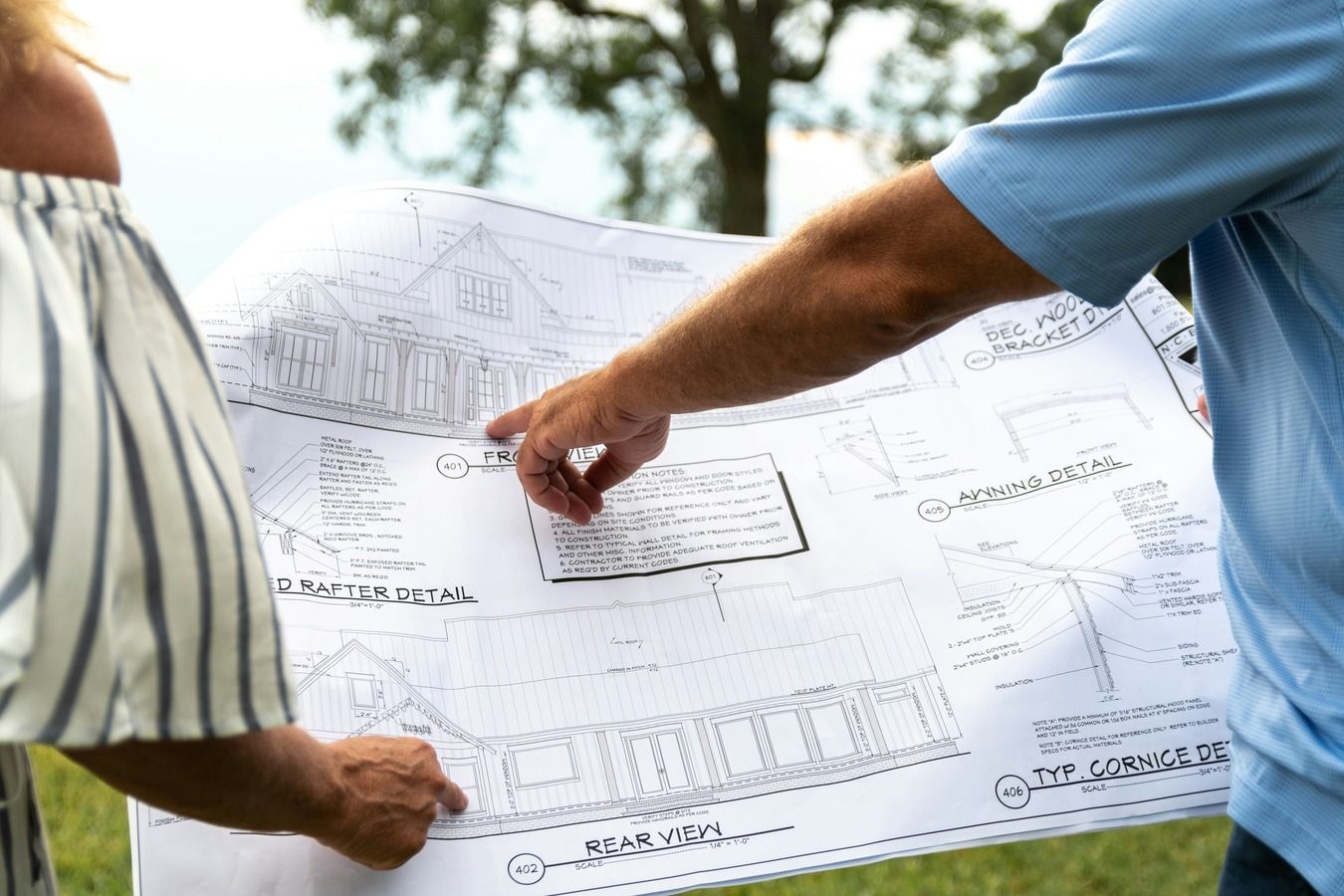
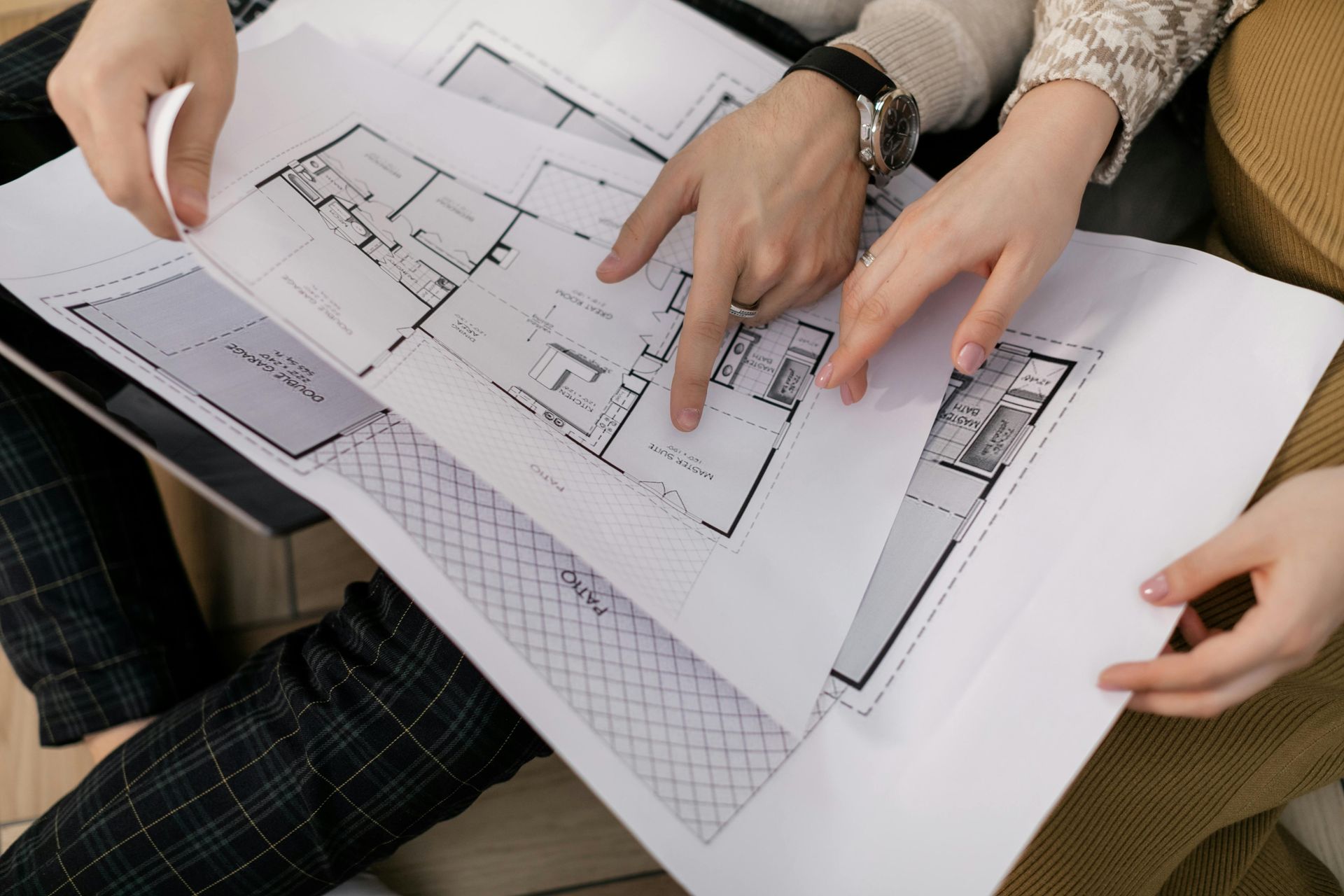
During this stage, you’ll work with your contractor and possibly a designer or architect to define the scope of work. This includes:
- Identifying goals and priorities
- Establishing a preliminary budget
- Developing floor plans
- Selecting finishes and materials
- Reviewing feasibility and structural considerations
This phase often takes longer than homeowners anticipate, especially if structural changes are involved. However, thorough planning significantly shortens delays later in the renovation timeline.
Clear communication during this stage also helps align expectations between you and your construction team.
Phase 2: Permits and Approvals (1–6 Weeks)
Once plans are finalized, necessary permits must be obtained before work begins. Depending on your municipality and the scope of work, this stage can vary widely. Projects involving structural modifications, plumbing relocation, or electrical upgrades typically require formal review. While waiting for approvals may feel frustrating, it’s a crucial part of protecting your home’s safety and long-term value.
During this time, your contractor may begin ordering materials to prevent supply delays once construction starts.
Phase 3: Pre-Construction Preparation (1–2 Weeks)
Before demolition begins, your contractor will prepare the site.
This may include:
- Protecting floors and furniture
- Setting up temporary barriers
- Delivering materials
- Scheduling subcontractors
- Establishing safety protocols
Clear homeowner responsibilities during this stage often include removing personal belongings, relocating furniture, and preparing alternative living arrangements if necessary.
This preparation phase sets the tone for the rest of the renovation timeline.
Phase 4: Demolition (Several Days to 2 Weeks)
Demolition marks the official start of visible change.
Depending on the scope of your project, demolition may be quick or extensive. For a single-room renovation, this phase may last only a few days. Whole-home remodels, or additions, can require significantly more time. During demolition, hidden issues sometimes surface — outdated wiring, plumbing problems, or structural deficiencies. These discoveries can affect both budget and timeline, which is why flexibility is important.
Adjusting expectations during demolition is common and does not necessarily indicate problems — it’s simply part of responsible renovation work.
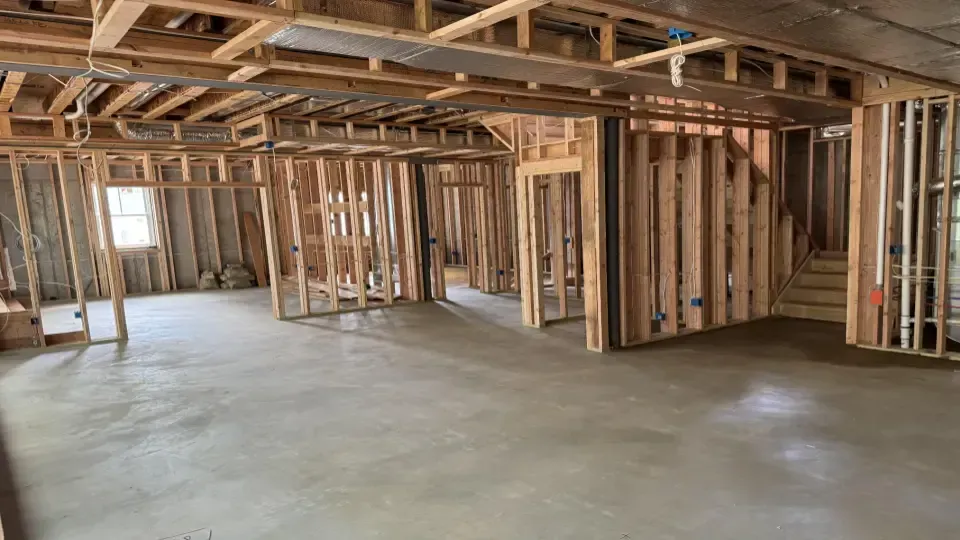
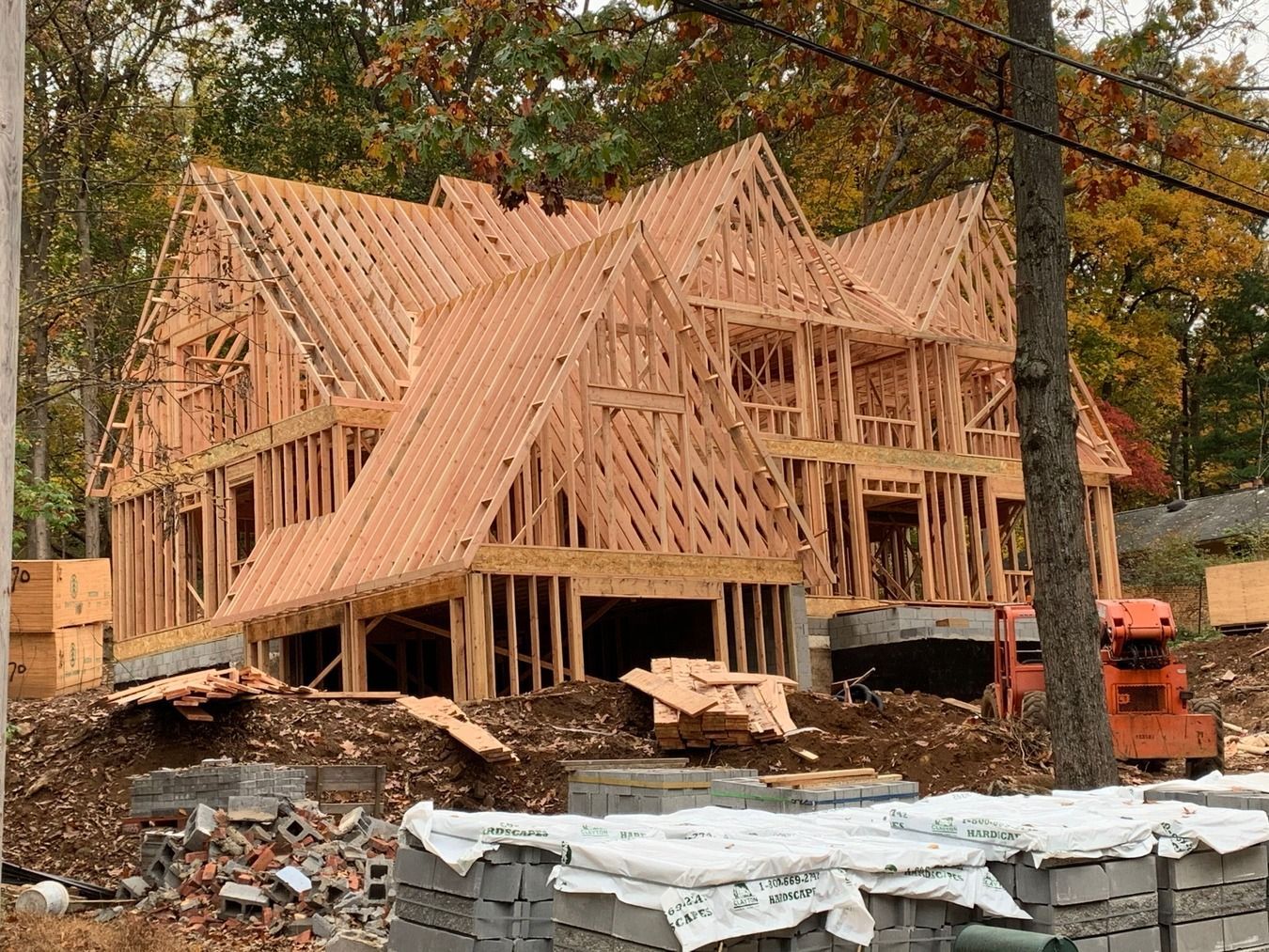
Phase 5: Structural and Mechanical Work (2–6 Weeks)
Once demolition is complete, the structural and mechanical construction phases begin. This stage includes:
- Framing new walls
- Reinforcing structural supports
- Plumbing installation or relocation
- Electrical wiring
- HVAC adjustments
These systems are the backbone of your renovation. Inspections often occur during this stage, before walls are closed up.
Though progress may feel slow since much of the work is hidden behind walls, this phase is critical to long-term performance and safety.
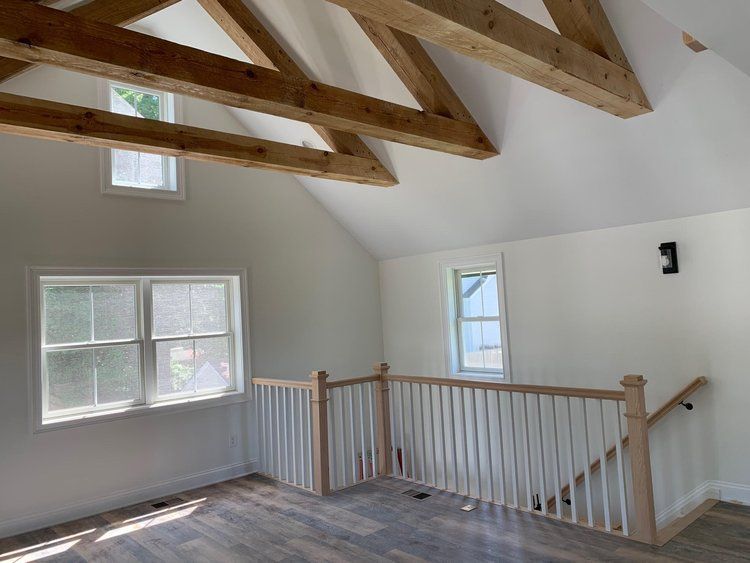
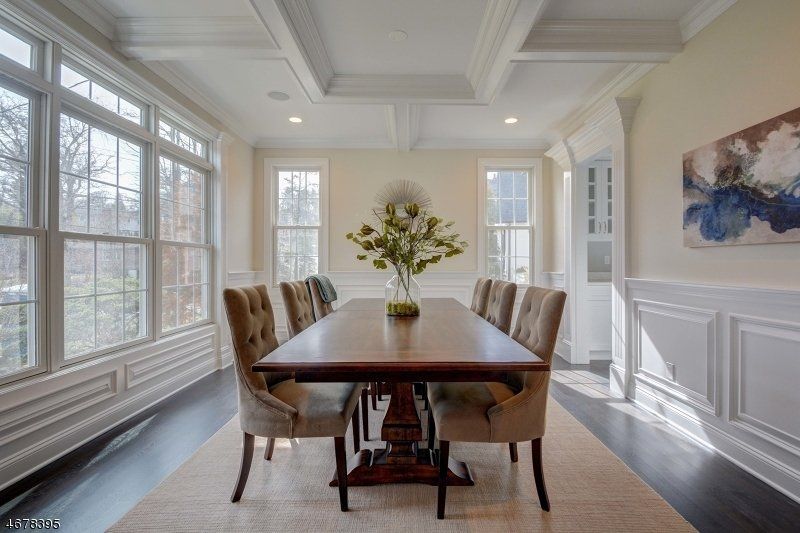
Phase 6: Drywall, Flooring, and Finishes (3–8 Weeks)
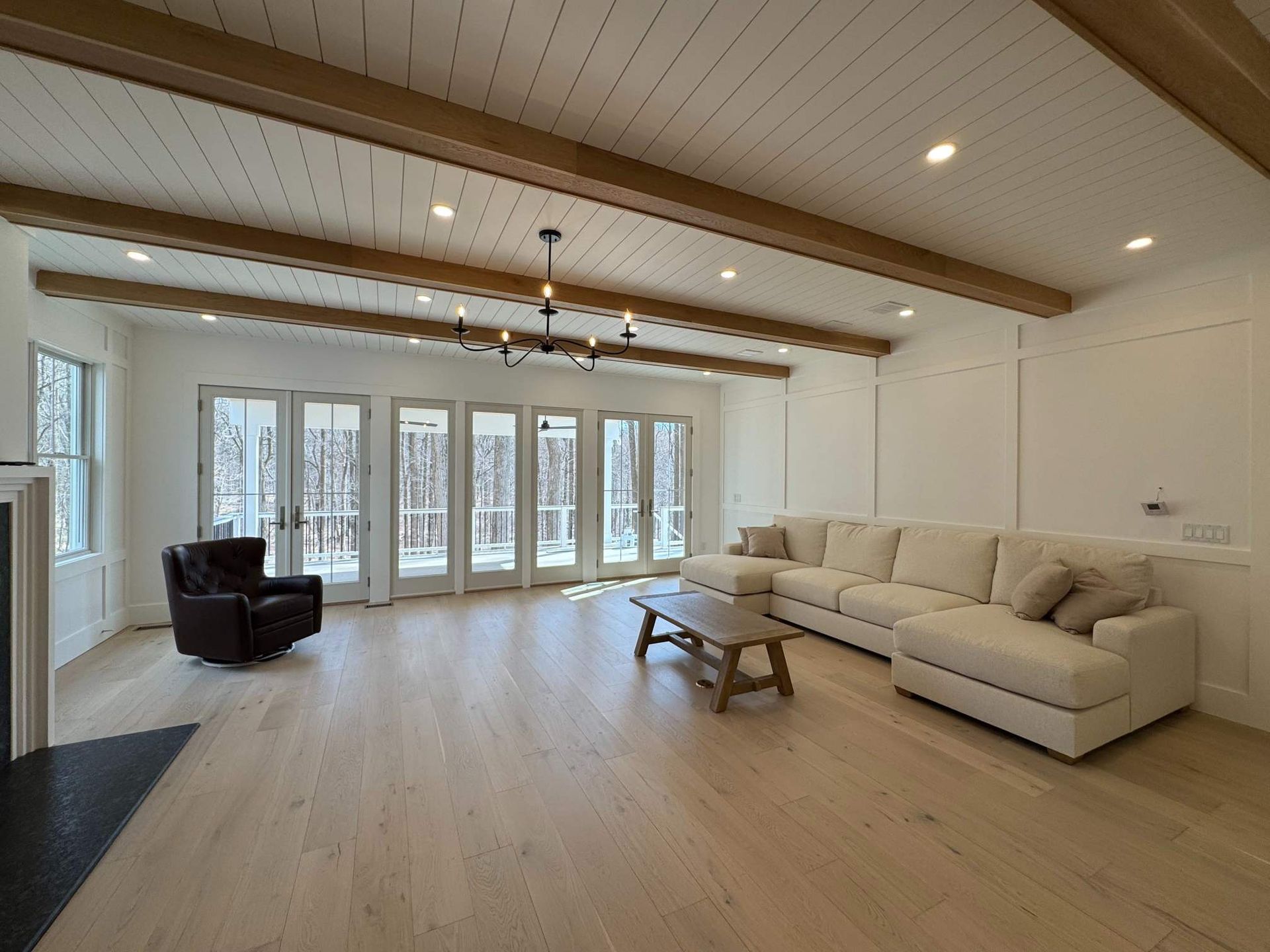
This is the stage where your renovation begins to feel real. Drywall installation, painting, cabinetry, flooring, tile work, and trim carpentry transform the structure into a finished space. While this phase is exciting, it can also be detail-intensive. Finish selections, installation precision, and scheduling coordination all influence the overall renovation timeline. Patience during this stage ensures craftsmanship is not rushed.
Phase 7: Final Touches and Inspections (1–3 Weeks)
As construction wraps up, final inspections and punch list items are addressed.
This stage includes:
- Fixture installation
- Appliance setup
- Final electrical and plumbing connections
- Touch-up painting
- Code compliance inspections
Homeowner responsibilities during this phase often involve walkthroughs and identifying minor corrections. Final inspections ensure the renovation meets safety standards and approved plans.
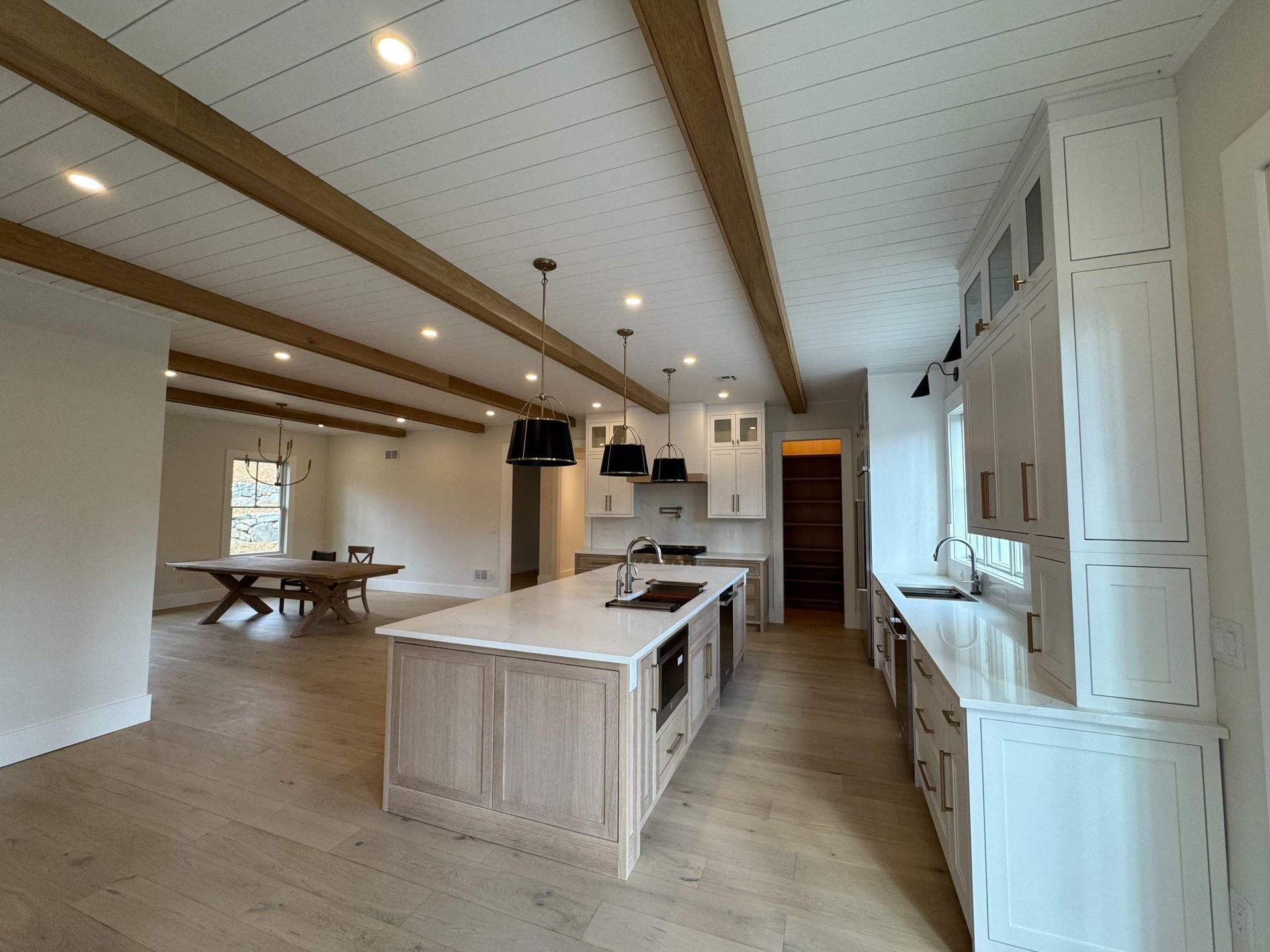
What Impacts a Renovation Timeline?
While the stages above are common, several factors can influence how long your project takes:
- Scope and complexity
- Material availability
- Weather (for exterior projects)
- Permit delays
- Change orders
- Unexpected structural discoveries
Setting realistic expectations from the start helps prevent frustration if adjustments become necessary.
The Importance of Communication
One of the most important elements of managing a renovation timeline is consistent communication. Regular updates, scheduled progress meetings, and transparency about delays help homeowners feel informed and involved. When contractors clearly explain upcoming construction phases and potential bottlenecks, it reduces uncertainty and builds trust.
How Homeowners Can Help Keep the Project on Track
While contractors manage construction, homeowners play a key role in maintaining schedule momentum.
Key homeowner responsibilities include:
- Making selections on time
- Avoiding late design changes
- Providing prompt approvals
- Maintaining open communication
- Preparing living spaces for disruption
Delayed decisions often create ripple effects that extend the renovation timeline. Preparedness and responsiveness go a long way in keeping projects moving efficiently.
Setting Realistic Expectations
Perhaps the most important takeaway is this: renovations rarely move in a perfectly straight line. Small adjustments are normal. Inspections may take longer than expected. Materials can arrive late. Weather may interfere. Approaching the project with flexible expectations allows you to focus on the end result rather than temporary inconveniences. Most homeowners find that clear upfront planning and understanding of construction phases dramatically reduces stress throughout the process.
Final Thoughts: A Well-Planned Timeline Leads to a Better Experience
A renovation timeline is not just about dates on a calendar — it’s a roadmap for transforming your home. When you understand the stages involved, the potential variables, and your role in the process, you can move forward confidently. Thoughtful planning, transparent communication, and realistic expectations create a smoother renovation journey from start to finish.
Ready to Start Your Renovation?
If you’re considering a remodeling project and want clarity around your renovation timeline, our team is here to guide you. We walk homeowners through every stage — from initial design to final walkthrough — with clear communication and structured planning.
Contact us today to schedule a consultation and take the first step toward a renovation experience built on transparency and trust.